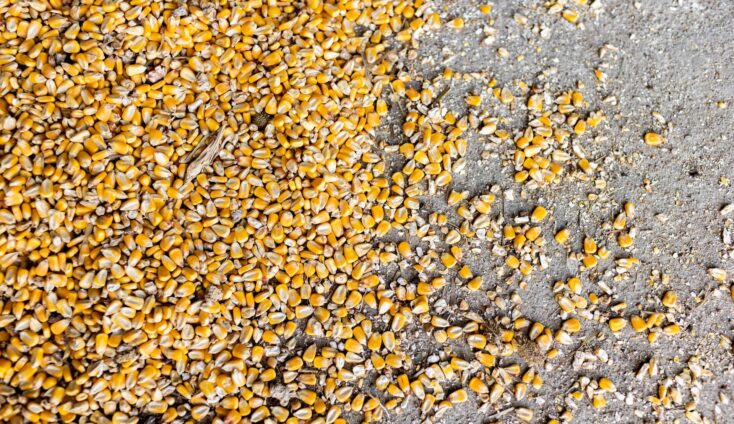
introduction
What are mycotoxins?
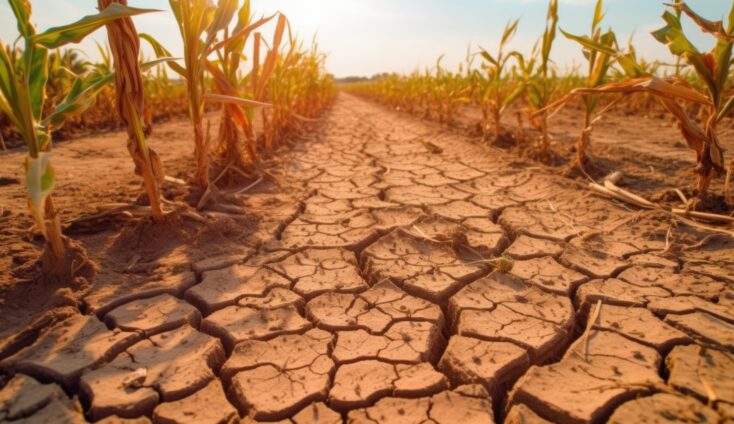
Mycotoxins are substances naturally produced by moulds and fungi that are normally present as some form of defence for the organism. All natural materials, and many man-made ones, are subject to contamination by moulds and fungi. Fungal spores are ubiquitous – which means that they are found everywhere without exception – and are unavoidable within the natural world. The growth of moulds and fungi is typically encouraged by heat and the presence of moisture, however their toxin production is dictated by other factors, that induce stress including drought.
Toxins are naturally produced by all types of moulds and fungi. Hundreds of these mycotoxins exist, and, contamination of natural materials with multiple toxins, either from one or several fungi, is common.
Toxins are especially produced under certain conditions including the following:
- Host plant stress in the field: poor soil fertility, insect damage, high/low temperatures or moisture
- Harvesting: late harvesting, dry crops, slow storage filling e.g. silage clamp, soil contamination
- Storage: wet grain, poor silage packing, incorrect fermentation of ensiled products
- Finished feeds and forages: poor hygiene, exposure to air/moisture, incorrect storage ( temperature/moisture)
Toxins may also assist with the organisms colonisation of the plant material. The use of toxins aids the competitiveness and success of the mould or fungi.
The potential for fungal growth and toxin production can be limited by applying good management practices, but essentially it is impossible to guarantee that any naturally occurring materials will be free of mycotoxin contamination.
Mycotoxin origins
Pre-harvest origins
Any growing crop, including forage and cereals, is susceptible to mould, with Fusarium types being the main concern. Fusarium moulds can produce mycotoxins on the growing plant. Whilst the moulds themselves may not survive the transition from field to feeding trough, the mycotoxins will remain intact, though invisible to the naked eye. Feeds may therefore appear and analyse as high quality, but may harbour a mycotoxin(s) challenge.
Post-harvest origins
Aspergillus and Penicillium moulds are of greatest concern post-harvest.
Aspergillus contamination of corn cob

Fusarium contamination of corn cob

Our panel of experts answer all your questions about mycotoxins!
Detailed information on mycotoxin regulations from around the world. Discover the maximum permitted levels of mycotoxins in animal feed for your country.
MYCOTOXINS... & MUCH MORE
Alltech Symposium, May 20, 2013
Phyco and Mycotoxins
Merida Yucutan, Mexico, June 27- July1 1
15th World Congress of Food Science and Technology
Cape Town South Africa, August 22-26 6
AOAC International Annual Meeting 2010
Orlando Florida, USA, September 26-29 9
Advanced Food Analysis
Wageningen, The Netherlands, October 25-29